Inside Pep Guardiola’s Genius: Beyond Just Tactics
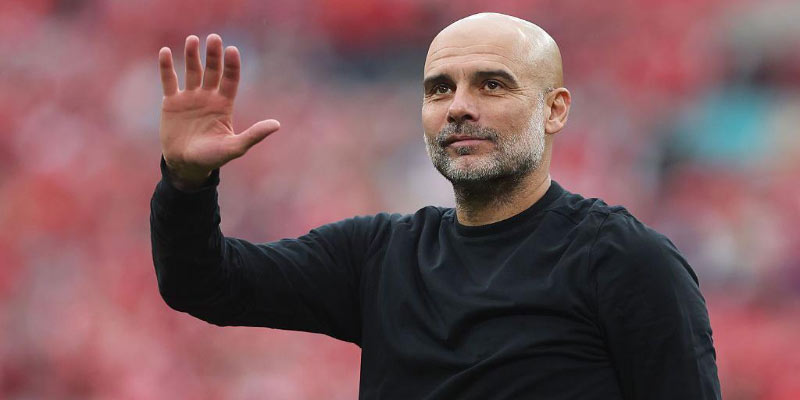
Pep Guardiola isn’t just a manager—he’s a football visionary reshaping how the game is played and perceived. From reinventing positional play to building teams that think as one, Guardiola’s philosophy goes far beyond tactics. He crafts football ecosystems where creativity thrives, players evolve, and identity matters more than individual brilliance. This article unpacks the mind behind the method—tracking his transformative spells at Barcelona, Bayern Munich, and Manchester City. Dive into his tactical brilliance, the human-centered approach to leadership, and why Pep Guardiola’s influence is not just legendary—it’s still growing, redefining the blueprint of elite football in the 21st century.
Pep Guardiola’s Transfer Strategies
Analyzing Pep Guardiola‘s transfer strategies provides insight into how he builds a squad that embodies his vision.
Philosophy in Recruitment
Guardiola’s transfer strategy reflects his overarching coaching vision.
Targeting Specific Traits Guardiola focuses on acquiring players who possess specific technical and tactical attributes, ensuring they can adapt seamlessly into his framework. He prioritizes intelligence, adaptability, and versatility over mere physicality.
A Focus on Character Beyond abilities, the character of recruits is paramount in Guardiola’s selection process. He seeks players who exhibit resilience, work ethic, and a hunger for growth, contributing to an environment conducive to success.
Notable Transfers at Barcelona
Guardiola’s era at Barcelona featured key transfers that transformed the team’s dynamics.
Bringing in Dani Alves The signings of Dani Alves and Gerard Piqué showcased Guardiola’s ability to harness the talents of individuals who could fulfill tactical roles while complementing existing strengths within the squad.
Significant Youth Integration The reliance on La Masia graduates highlights Guardiola’s faith in nurturing local talents and supplementing them with strategic signings, aligning with his philosophy of creating a cohesive unit.
Transformative Moves at Manchester City
At Manchester City, Guardiola’s transfer strategies have led to an impressive squad.
Investing in Key Areas Guardiola made significant investments in acquiring players like Ederson and Ruben Dias, who addressed specific positional needs. Their arrivals fortified the team and stabilized the danger they posed to rivals.
Cultivating Team Cohesion The integration of high-profile signings blended with the existing roster demonstrates a philosophy centered around cohesion and harmony. Guardiola’s ability to create multicultural teams that understand each other is a testament to his strategic acumen.
Profiles of Players Developed Under Pep Guardiola
The breadth of Pep Guardiola’s influence extends to the players he has developed throughout his coaching career.
Barcelona Luminaries
Several players became household names during Guardiola’s tenure at Barcelona.
Lionel Messi Emerging as the linchpin of Guardiola’s system, Lionel Messi experienced an evolution under his coaching, emerging as an unmatched force in world football.
Sergio Busquets The development of Sergio Busquets into one of the world’s best defensive midfielders showcases Guardiola’s capacity for recognizing potential and nurturing talent to thrive in high-pressure situations.
Key Manchester City Players
At Manchester City, Guardiola has molded players into elite performers.
Raheem Sterling Guardiola’s mastery over player development is evident in Raheem Sterling’s rise as a prolific winger adept at scoring and creating chances. His tactical understanding continues to grow under Guardiola’s instruction.
Phil Foden Phil Foden symbolizes the success of Guardiola’s youth integration approach, seamlessly transitioning from a promising young talent to an integral part of the first team, illustrating the emphasis on nurturing potential.
Global Impact on Player Development
Beyond individual development, Guardiola’s influence has become a template for other clubs.
Coaching Philosophy and Youth Development Many academies and clubs worldwide have adopted principles akin to Guardiola’s, emphasizing tactical literacy and skill enhancement over mere physical attributes.
Empowering Coaches Guardiola’s methods have empowered emerging coaches, furthering a wave of thought centered around developing young talents and creating synergies between youth and senior teams.
The Legacy of Pep Guardiola in Football History
Pep Guardiola has cemented his place in the annals of football history through innovative coaching, philosophy, and efficiency.
Redefining Excellence
Guardiola’s career represents a renaissance in coaching.
Pioneering Possession Football His dedication to possession-based football reshaped the tactical landscape, leading clubs across various leagues to adapt and evolve styles of play.
Revolutionizing Training The template Guardiola has laid out for player training emphasizes technical skill, spatial awareness, and mental conditioning, changing how football education is perceived and delivered.
Long-Lasting Influence
Guardiola’s insights into coaching transcend generations.
Inspiring Future Generations His influence is palpable in aspiring coaches worldwide. The methodologies and techniques he espouses continue to inspire others who strive for excellence in football management.
Cultural Impact on Fans Guardiola’s style of play has enriched the fandom experience, allowing spectators to witness the beauty of football through fluid teamwork, tactical ingenuity, and competitive spirit.
Comparative Analysis: Pep Guardiola vs. Other Top Coaches
When examining football’s greatest minds, Pep Guardiola stands as a luminous figure compared to other top managers throughout history.
Guus Hiddink
Guus Hiddink is known for immediate success wherever he coaches.
Situational Adaptation Though Hiddink’s methods are effective, Guardiola stands out for his focus on long-term tactical nuance that engrains philosophies within teams.
Player Development Both coaches emphasize player development, but Guardiola’s commitment to holistic training sets him apart, as he sharpens skillsets beyond immediate match situations.
Jürgen Klopp
Jürgen Klopp’s gegenpressing philosophy has made him one of the most exciting coaches in the last decade.
Similar Philosophical Roots Although both Klopp and Guardiola champion possession, Guardiola’s adherence to nuanced positional play is more intricate while contrasting with Klopp’s emphasis on directness and counter-attacks.
Team Culture Both managers foster a team culture that nurtures collective ambition and camaraderie, creating ideal environments for players to thrive.
José Mourinho
José Mourinho has traditionally adhered to a pragmatic approach focused on defensive solidity.
Emphasis on Defense vs. Offense Guardiola’s offensive orientation greatly contrasts with Mourinho’s predictably defensive mindset. Guardiola embodies attacking philosophies, while Mourinho often compromises fluid play for robust structures.
Adaptability Mourinho’s adaptability is noteworthy, but Guardiola’s development of players and tactical versatility exemplifies a more profound understanding of the game’s intricacies.
Conclusion
Pep Guardiola‘s coaching philosophy transcends mere tactics, emphasizing possession, movement, adaptability, and holistic player development. His innovative approach has captured the essence of modern football, leaving an indelible mark on clubs like Barcelona and Manchester City. Guardiola’s commitment to continuous improvement, cultural significance, and the cultivation of talent showcases his stature among the greats in football history. Through his visionary leadership, he has redefined excellence in coaching, inspiring future generations of managers and players to chase greatness.